Neo-Babylonian Empire
From Warlike
The Neo-Babylonian Empire or Second Babylonian Empire, historically known as the Chaldean Empire, was the last polity ruled by monarchs native to ancient Mesopotamia. Beginning with the coronation of Nabopolassar as the King of Babylon in 626 BC and being firmly established through the fall of the Assyrian Empire in 612 - 609 BC, the Neo-Babylonian Empire was conquered by the Achaemenid Persian Empire in 539 BC, less than a century after the founding of the Chaldean dynasty. The defeat of the Assyrian Empire and subsequent return of power to Babylon marked the first time that the city, and southern Mesopotamia in general, had risen to dominate the ancient Near East since the collapse of the Old Babylonian Empire nearly a thousand years earlier. The period of Neo-Babylonian rule thus saw unprecedented economic and population growth throughout Babylonia, as well as a renaissance of culture and artwork as Neo-Babylonian kings conducted massive building projects, especially in Babylon itself, bringing back many elements from the previous 2,000 years of Sumero-Akkadian culture.

 Record of expenditures of silver - Ebabbar archive
 The captivity of Judah
 Neo-Babylonian seal, showing Marduk fighting a beast, the chaos monster Tiamat. 7th century BCE. Image from page 43 of "Ancient seals of the Near East" (1940)
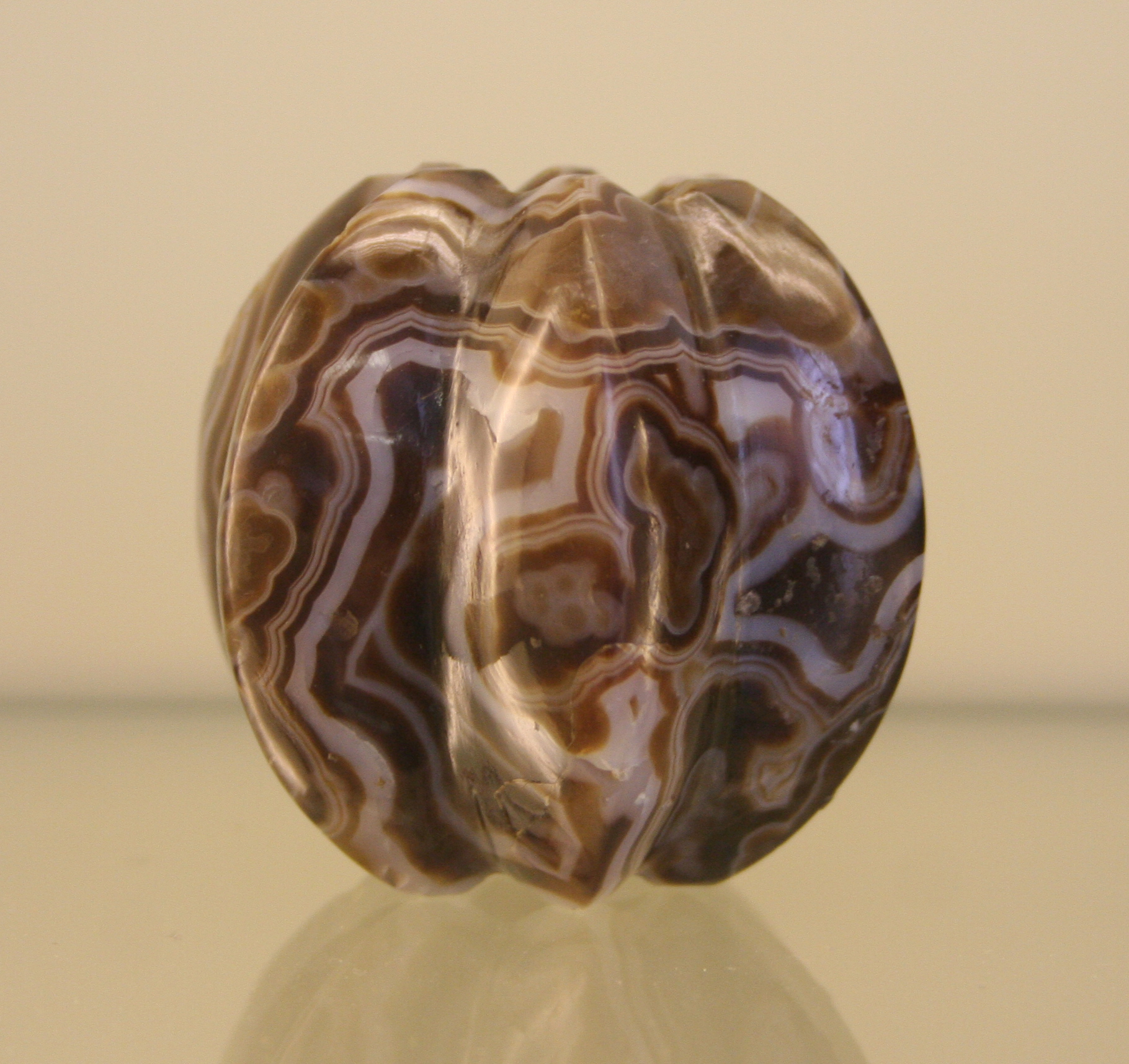 Vorderasiatisches Museum Berlin 013
 The facade of the Temple of Ninmah at the ancient city of Babylon, Iraq
 Cylinder with commemorative text, Southern Mesopotamia, Neo-Babylonian Dynasty, c. 600-550 BC - Royal Ontario Museum - DSC09709
 Ruins of Babylon, Mesopotamia, Iraq
 The Lion of Babylon Statue at the ancient city of Babylon, Babel, Iraq. Reign of Nebuchadnezzar II, 6th century BC
 The ancient city of Babylon, Iraq
 Statue of the Lion of Babylon at Babylon, Mesopotamia, Iraq, reign of Nebuchadnezzar II, 6th century BC

.jpg)


