HMS Queen Mary was the last battlecruiser built by the Royal Navy before the First World War. The sole member of her class, Queen Mary shared many features with the Lion-class battlecruisers, including her eight 13.5-inch (343 mm) guns. She was completed in 1913 and participated in the Battle of Heligoland Bight as part of the Grand Fleet in 1914. Like most of the modern British battlecruisers, the ship never left the North Sea during the war. As part of the 1st Battlecruiser Squadron, Queen Mary attempted to intercept a German force that bombarded the North Sea coast of England in December 1914, but was unsuccessful. The ship was refitted in early 1915 and missed the Battle of Dogger Bank in January, but took part in the largest fleet action of the war, the Battle of Jutland in mid-1916. She was struck twice by the German battlecruiser Derfflinger during the early part of the battle and her magazines exploded shortly afterwards, sinking her with the loss of 1,266 of her 1,286 crew members.
A.B. Cull - H.M.S. Queen Mary lying at anchor in Portsmouth Harbour 2011 CSK 03039 0237 (060653)
Queen Mary (croiseur-cuirassé britannique) - photographie de presse - Agence Rol - btv1b6933007h
20 juillet 1914, revue navale à Portsmouth, le nouvel hydro (hydravion) n° 77 passant au-dessus de l'Iron Duke, le Queen Mary, l'Ajax et le Marlborough (cuirassés), vue prise sur l'Orion - btv1b6930895x
British Ships of the First World War Q21661
British Ships of the First World War Q21661A
L-class destroyers and the battlecruisers 'Lion', 'Queen Mary', and 'Princess Royal', with the 'Mainz', at the Battle of the Heligoland Bight, 28 August 1914 RMG PW1231
QueenMary
British Ships of the First World War Q21661A (cropped)


 A.B. Cull - H.M.S. Queen Mary lying at anchor in Portsmouth Harbour 2011 CSK 03039 0237 (060653)
 20 juillet 1914, revue navale à Portsmouth, le nouvel hydro (hydravion) n° 77 passant au-dessus de l'Iron Duke, le Queen Mary, l'Ajax et le Marlborough (cuirassés), vue prise sur l'Orion - btv1b6930895x
 British Ships of the First World War Q21661
 British Ships of the First World War Q21661A
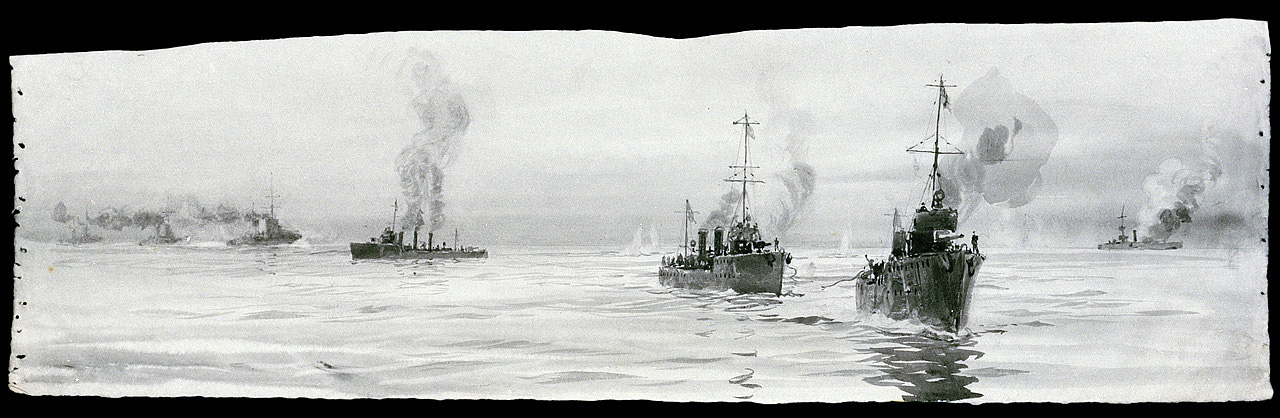 L-class destroyers and the battlecruisers 'Lion', 'Queen Mary', and 'Princess Royal', with the 'Mainz', at the Battle of the Heligoland Bight, 28 August 1914 RMG PW1231
 QueenMary
 British Ships of the First World War Q21661A (cropped)
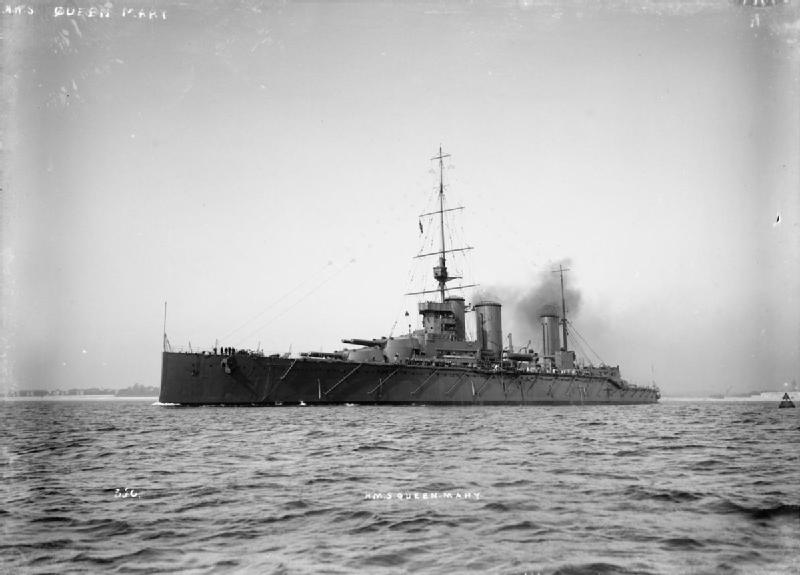 HMS Queen Mary
 Launch of QUEEN MARY LCCN2014690442 (cropped)
.jpg)
_-_photographie_de_presse_-_Agence_Rol_-_btv1b6933007h.jpg&action=edit&redlink=1)
_n%C2%B0_77_passant_au-dessus_de_l%27Iron_Duke,_le_Queen_Mary,_l%27Ajax_et_le_Marlborough_(cuirass%C3%A9s),_vue_prise_sur_l%27Orion_-_btv1b6930895x.jpg)


.jpg)

.jpg)