C.6
From Warlike
Q460304
The Cierva C.6 was the sixth autogyro designed by engineer Juan de la Cierva, and the first one to travel a "major" distance. Cierva, the engineer responsible for the invention of the autogyro, had spent all his funds on the research and creation of his first five prototypes. Therefore, in 1923, he turned to the Cuatro Vientos Aerodynamics Laboratory chief, Commander Emilio Herrera, who succeeded in persuading General Francisco Echagüe, the director of the Military Aviation Aeronautics Department, to take over the second stage in the research and development of Cierva's autogyros.

 Bundesarchiv Bild 102-09500, Windmühlen-Aeroplan
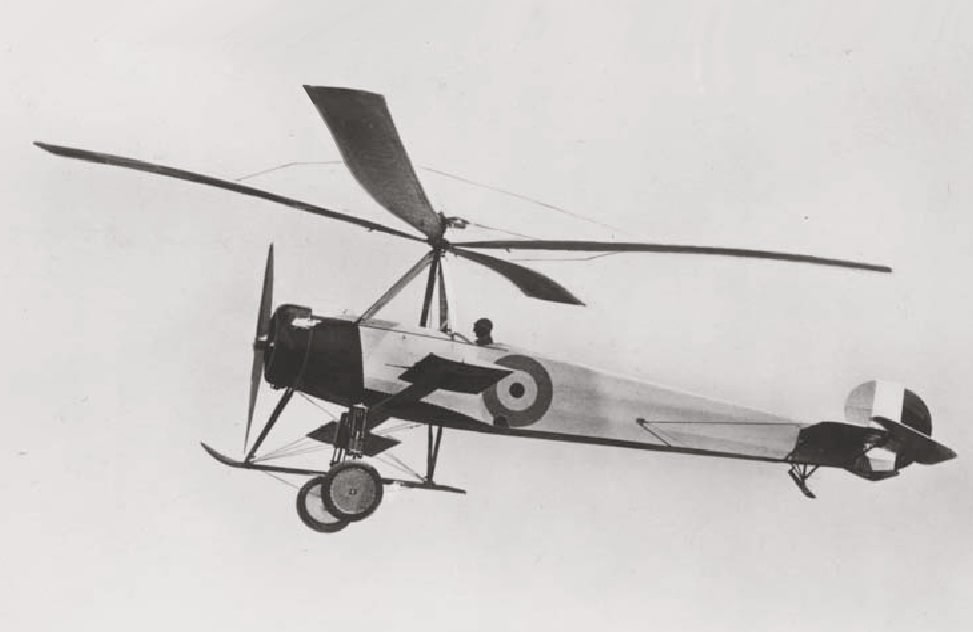 Juan de la Cierva C.6 autogyro
 Autogire de La Cierva (octobre 1925) - btv1b53240669s
 Aviation in Britain Before the First World War RAE-O402
 Cierva C-6D L'Aéronautique November,1928
 Auto-giro RAE-O403
 Bundesarchiv Bild 102-06153, Berlin-Tempelhof, Tragschrauber Cierva C.6
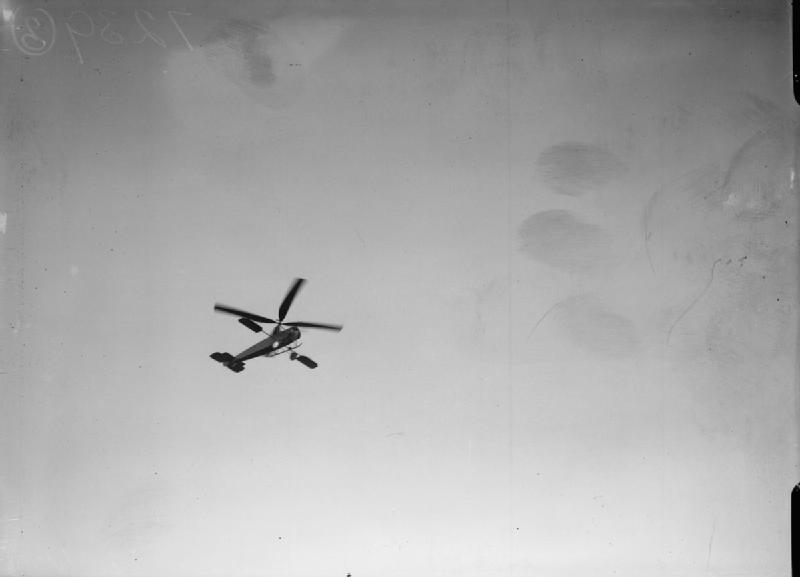 Auto-giro RAE-O401
 Bundesarchiv Bild 102-11833, Windmühlen-Flugzeug
 Auto-giro RAE-O404
| Type | Subtype | Date | Description | Notes | Source |
|---|---|---|---|---|---|
| commons | image | Bundesarchiv Bild 102-09500, Windmühlen-Aeroplan | Commons | ||
| commons | image | Juan de la Cierva C.6 autogyro | Commons | ||
| commons | image | Autogire de La Cierva (octobre 1925) - btv1b53240669s | Commons | ||
| commons | image | Aviation in Britain Before the First World War RAE-O402 | Commons | ||
| commons | image | Cierva C-6D L'Aéronautique November,1928 | Commons | ||
| commons | image | Auto-giro RAE-O403 | Commons | ||
| commons | image | Bundesarchiv Bild 102-06153, Berlin-Tempelhof, Tragschrauber Cierva C.6 | Commons | ||
| commons | image | Auto-giro RAE-O401 | Commons | ||
| commons | image | Bundesarchiv Bild 102-11833, Windmühlen-Flugzeug | Commons | ||
| commons | image | Auto-giro RAE-O404 | Commons | ||


_-_btv1b53240669s.jpg)


