1963 in the Vietnam War
From Warlike
Q4571313
The defeat of the South Vietnamese Army of the Republic of Vietnam (ARVN) in a battle in January 1963 set off a furious debate in the United States on the progress being made in the war against the Viet Cong (VC) in South Vietnam. Assessments of the war flowing into the higher levels of the U.S. government in Washington, D.C. were wildly inconsistent, some citing an early victory over the VC, others a rapidly deteriorating military situation. Some senior U.S. military officers and White House officials were optimistic; civilians of the Department of State and the Central Intelligence Agency (CIA), junior military officers, and the media were decidedly less so. Near the end of the year, U.S. leaders became more pessimistic about progress in the war.


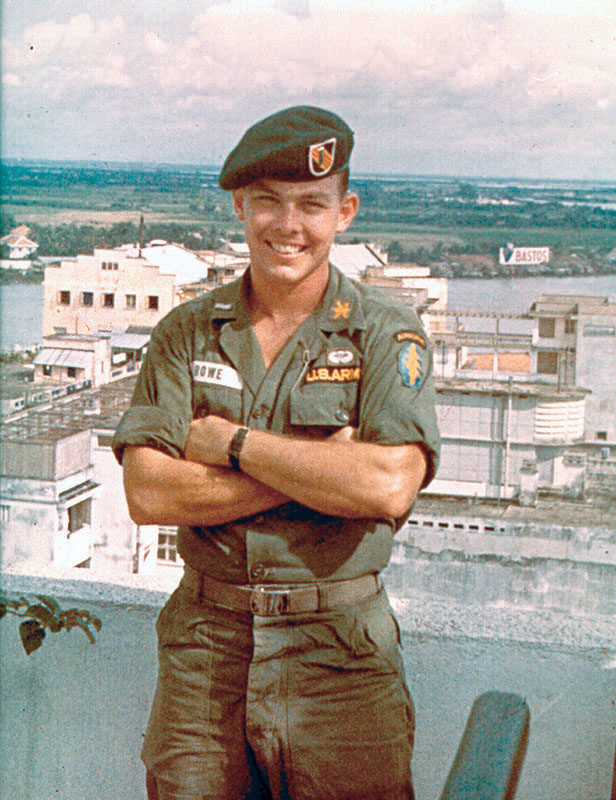 Rowe 02
 The South Vietnamese official visited a strategic hamlet in 1963.
 242 - Marine Advisors - DPLA - fd6910232d813011b0b89e564a2d83db
 US Army Map Da Lat 1963 2
 Vice President Chen Cheng visited a Vietnamese strategic hamlet and endorsed the Strategic Hamlet Program
 The bamboo fence in the strategic hamlet visited by Chen Cheng
 Vice-President Chen Cheng (third from left, front row) greeted with military honours by local military officers during his visit to a strategic hamlet in Vietnam 2
 Officers observing the strategic hamlet from the watchtower during Chen Cheng's Visit to Vietnam
 Vice President Chen Cheng (left) visited a Vietnamese strategic hamlet and endorsed the Strategic Hamlet Program
 Vice President Chen Cheng visited a Vietnamese strategic hamlet and the Vietnamese reported on the experience of implementing strategic hamlets


_greeted_with_military_honours_by_local_military_officers_during_his_visit_to_a_strategic_hamlet_in_Vietnam_2.jpg)

_visited_a_Vietnamese_strategic_hamlet_and_endorsed_the_Strategic_Hamlet_Program.jpg)
