HMS Exeter
From Warlike
Q428315
HMS Exeter was the second and last York-class heavy cruiser built for the Royal Navy during the late 1920s. Aside from a temporary deployment with the Mediterranean Fleet during the Abyssinia Crisis of 1935–1936, she spent the bulk of the 1930s assigned to the Atlantic Fleet or the North America and West Indies Station. When World War II began in September 1939, the cruiser was assigned to patrol South American waters against German commerce raiders. Exeter was one of three British cruisers that fought the German heavy cruiser Admiral Graf Spee, later that year in the Battle of the River Plate. She was severely damaged during the battle, and she was under repair for over a year.
1931
Wikimedia, Wikidata
68
speed 32 knot, speed 32.3 knot, length 175.26 metre, length 175.3 metre, draft 6.43 metre, beam 17.7 metre, beam 17.68 metre, 4 QF 4 inch Mk V gun, 2 QF 2 pounder gun, 2 British 21 inch torpedo, 3 BL 8 inch Mk VIII gun,
HMNB Devonport, Royal Navy, United Kingdom, 
- Dreadnought Project page@
- Drachinifel page@
- naval-history.net page@
- Ship Design Drawings archive page@
- uboat.net page@
Location: -5, 111, KML, Cluster Map, Maps,
1 places
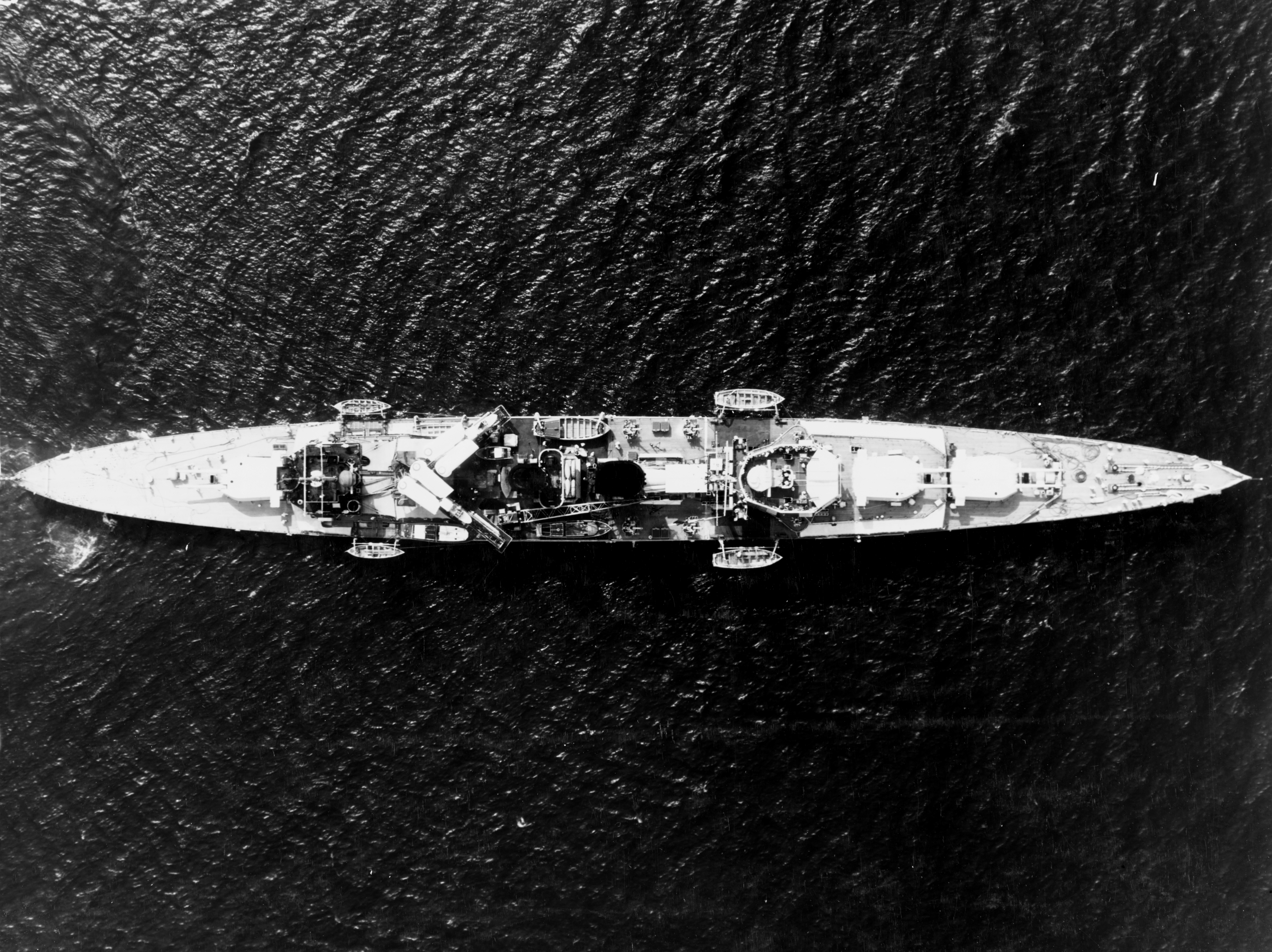 Overhead view of HMS Exeter (68) in the Panama Canal Zone in the 1930s
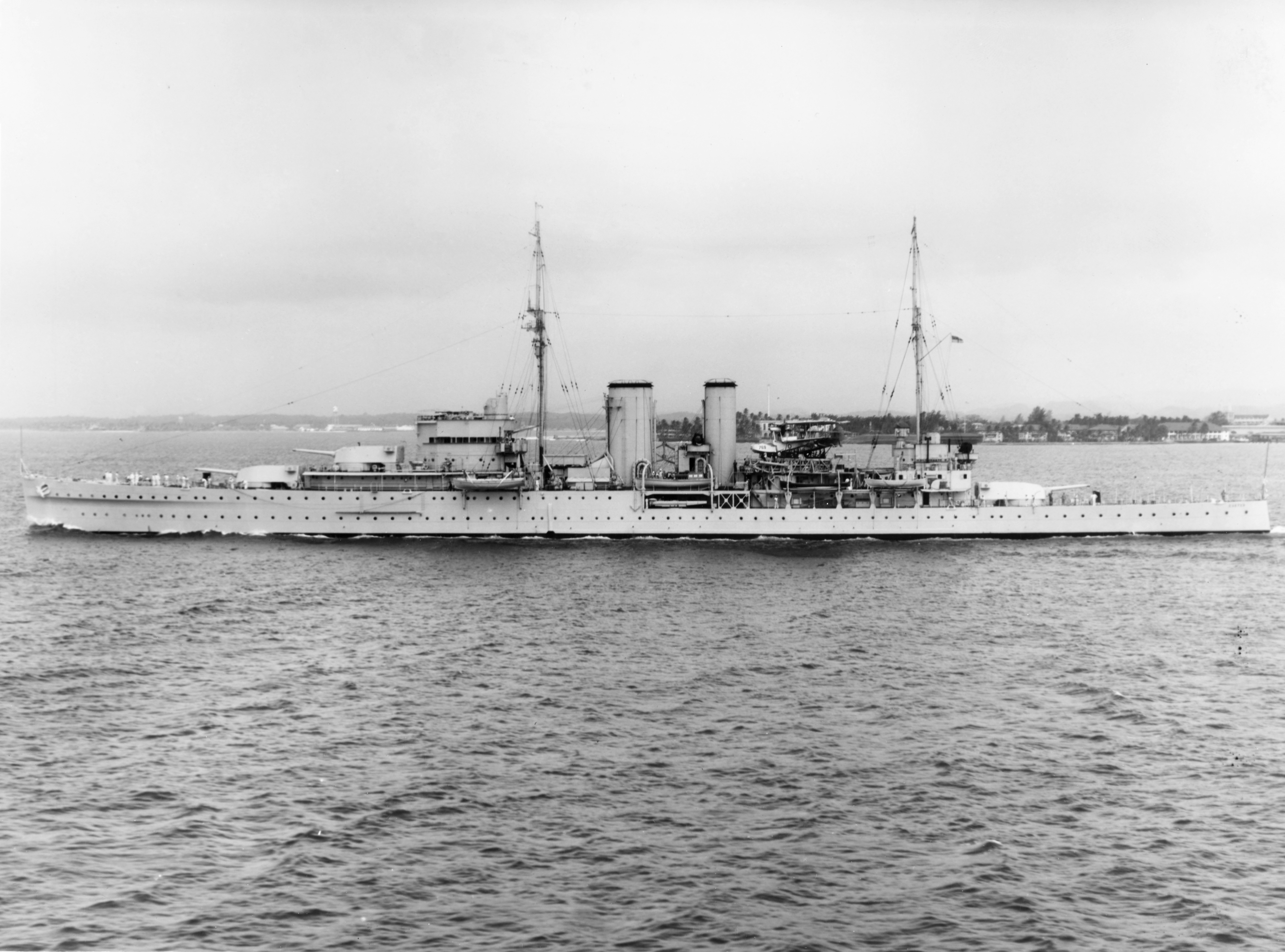 HMS Exeter (68) off Coco Solo c1939
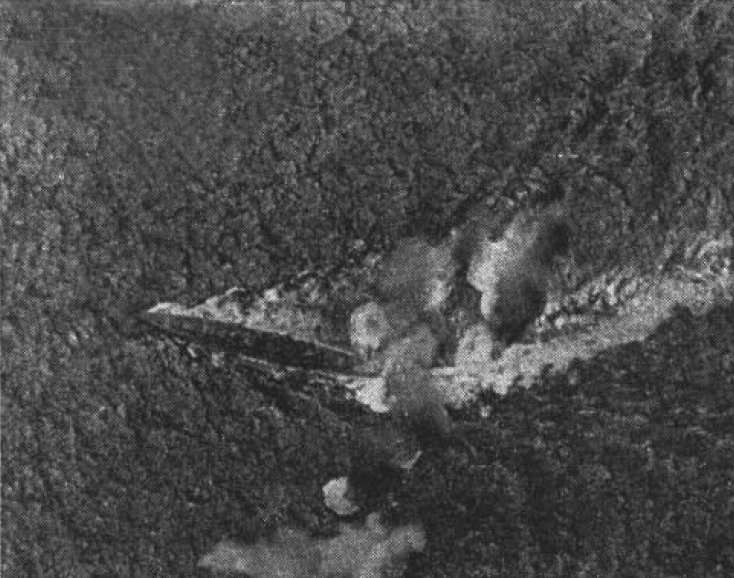 Cruiser under attack - probably in the Java Sea 1942
 British Warships of the Second World War A3555
 HMS Exeter (68) at anchor in the 1930s
 Supermarine Walrus abaord HMS Exeter (68) in the 1930s
 HMS Exeter (68) in Balboa harbour with US Navy ships on 24 April 1934
 HMS Exeter (68) at anchor in Balboa harbor on 24 April 1934
 HMS Exeter at the Royal Naval Dockyard, on Ireland Island, Sandys Parish, in the British Imperial fortress colony of Bermuda, with Gibb's Hill Lighthouse beyond, circa 1936HMS Exeter at the Royal Naval Dockyard, on Ireland Island, Sandys Parish, in the British Imperial fortress colony of Bermuda, with Gibb's Hill Lighthouse beyond, circa 1936
_in_the_Panama_Canal_Zone_in_the_1930s.jpg)
_off_Coco_Solo_c1939.jpg)


_at_anchor_in_the_1930s.jpg)
_in_the_1930s.jpg)
_in_Balboa_harbour_with_US_Navy_ships_on_24_April_1934.jpg)
_at_anchor_in_Balboa_harbor_on_24_April_1934.jpg)
