paravane
From Warlike
Q2449341
The paravane is a towed winged (hydrofoiled) underwater object—a water kite. Paravanes have been used in sport or commercial fishing, marine exploration and industry, sports and military applications. The wings of paravanes are sometimes in a fixed position, else positioned remotely or by actions of a human pilot. Pioneer parafoil developer Domina Jalbert considered water kites hardly different from air kites. However, paravanes generally orient themselves in respect to the water surface. They may have sensors that record or transmit data or are used entirely for generating a holding force like a sea anchor does. While a sea-anchor allows a vessel to drift more slowly downwind, the paravane travels sideways to the pull at one to several times the pulling speed. Paravanes are, like air kites, often symmetrical in one axis and travel in two directions, the change being effected by gybing, shunting, or flipping over.
.jpg)
 The Women's Royal Naval Service on the Home Front, 1917-1918 Q19723
 Minesweeping boat (MSB) crewmen rig a paravane buoy
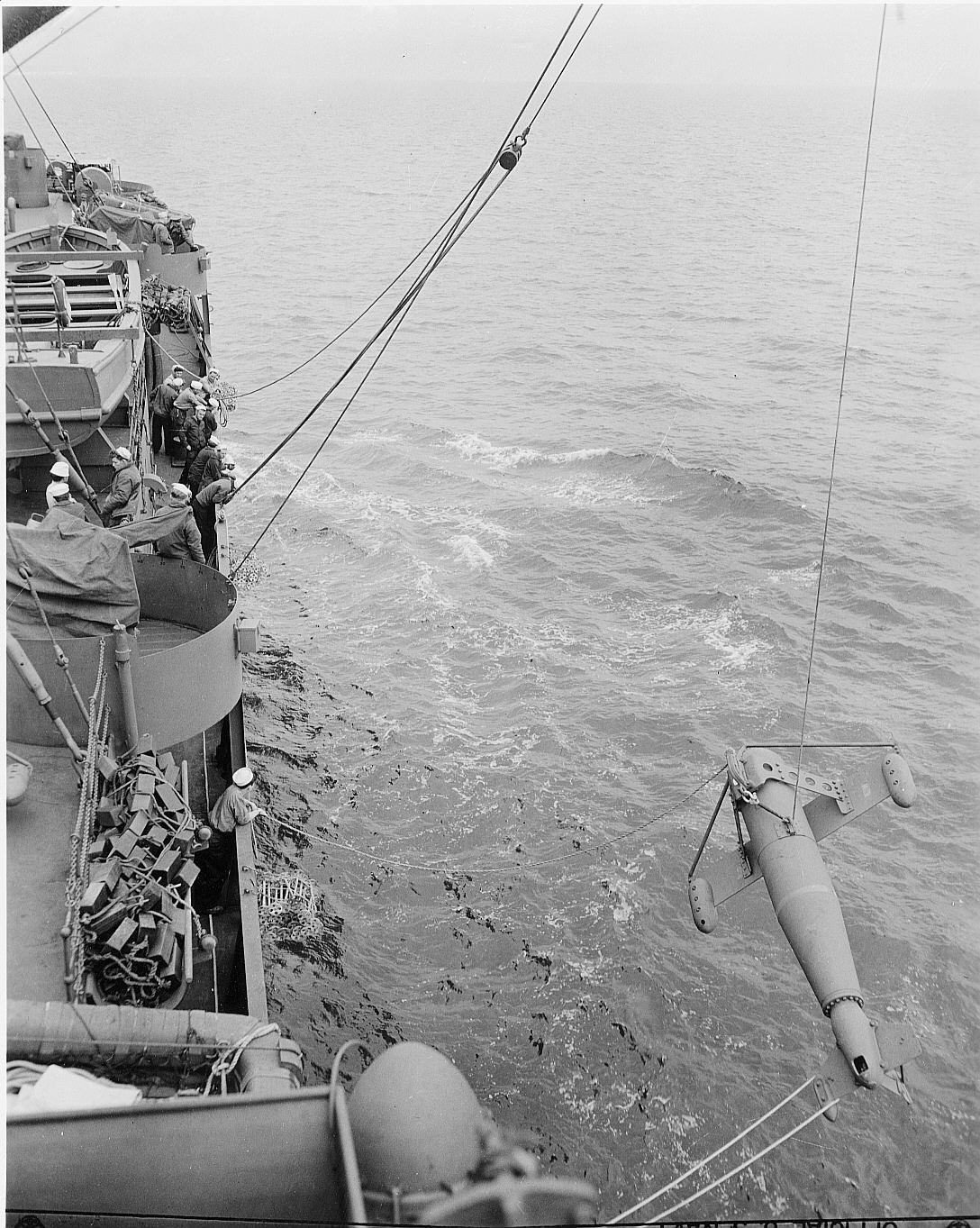 USS Webster (ARV-2) Paravane
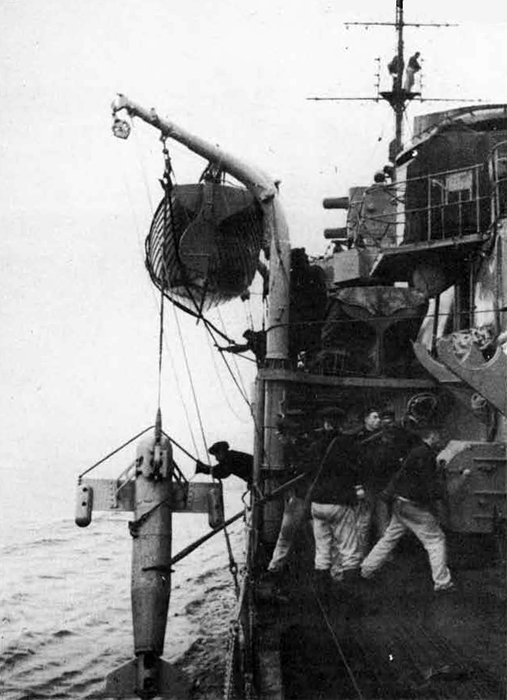 Streaming a paravane aboard Boiki
 Bundesarchiv Bild 193-02-4-39, Schlachtschiff Bismarck
 Paramine coda
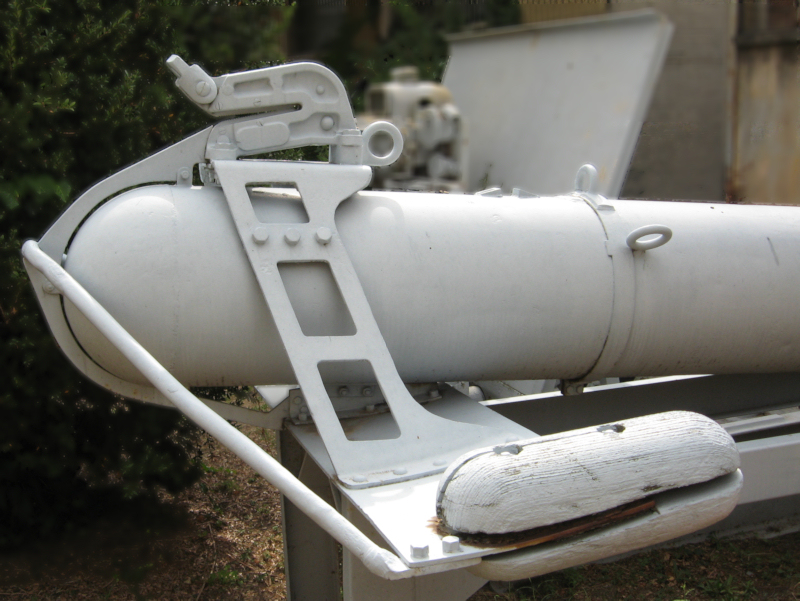 Paramine avanti
 Paramine LaSpezia
 The British Naval Campaign in the Baltic, 1918-1919 Q19332
 HMS Glatton in drydock IWM SP 2083
| Type | Subtype | Date | Description | Notes | Source |
|---|---|---|---|---|---|
| commons | image | The Women's Royal Naval Service on the Home Front, 1917-1918 Q19723 | Commons | ||
| commons | image | Minesweeping boat (MSB) crewmen rig a paravane buoy | Commons | ||
| commons | image | USS Webster (ARV-2) Paravane | Commons | ||
| commons | image | Streaming a paravane aboard Boiki | Commons | ||
| commons | image | Bundesarchiv Bild 193-02-4-39, Schlachtschiff Bismarck | Commons | ||
| commons | image | Paramine coda | Commons | ||
| commons | image | Paramine avanti | Commons | ||
| commons | image | Paramine LaSpezia | Commons | ||
| commons | image | The British Naval Campaign in the Baltic, 1918-1919 Q19332 | Commons | ||
| commons | image | HMS Glatton in drydock IWM SP 2083 | Commons | ||


_Paravane.jpg)


