chariot
From Warlike
Q203788
A chariot is a type of vehicle similar to a cart, driven by a charioteer, usually using horses to provide rapid motive power. The oldest known chariots have been found in burials of the Sintashta culture in modern-day Chelyabinsk Oblast, Russia, dated to c. 1950–1880 BC and are depicted on cylinder seals from Central Anatolia in Kültepe dated to c. 1900 BC. The critical invention that allowed the construction of light, horse-drawn chariots was the spoked wheel.
Wikimedia, Wikidata.jpg)
biga, kovinas, Ordnance QF 20 pounder, scythed, weapon, weapon functional class,
-
Location: KML, Cluster Map, Maps,
-

biga ⓘ
chariot pulled by two horses -

kovinas ⓘ
chariot -

scythed chariot ⓘ
war chariot with scythe blades mounted on each side
 Venus in her dove-drawn chariot complaining to Jupiter who is accompanied by Mercury, from 'The Fable of Psyche', print, Master of the Die, after Michiel Coxie (I) (MET, 29.49.32)
 Galatea standing in a water-chariot pulled by two dolphins, surrounded by tritons, nereids, and putti, three of which prepare to shoot arrows from above, print, Marcantonio Raimondi, after Raphael (Raffaello Sanzio or Santi) (MET, 2012.136.857)
 Triumph with child in the triumphator's chariot Francis William Warwick Topham, 1838
 Design for a float, from 'Éloges et discours sur la triomphante réception du Roy en sa ville de Paris ...' by Jean-Baptiste de Machault, print, Melchior Tavernier, Pierre Firens I, after Abraham Bosse (MET, 60.619.12)
 Triumphal Scene, drawing, Lelio Orsi (called Lelio da Novellara) (MET, 1998.129.2)
 A scallop shell chariot, print, William Carter, after Franz Cleyn, formerly attributed to Wenceslaus Hollar (MET, 17.50.15-25)
 Fall of Antiochus From His Chariot, print, Noël Hallé (MET, 60.622.10)
 Girdle with Coins and Medallions, Byzantine (MET, 17.190.147; 1991.136)
 Galatea Married – Restored by Mr. Punch from one of the Elgin Bas-Reliefs representing the fragment of a Wheel (Punch, or the London Charivari, April 14, 1866, p. 151), print, anonymous, British, 19th century (MET, 2012.60.4)
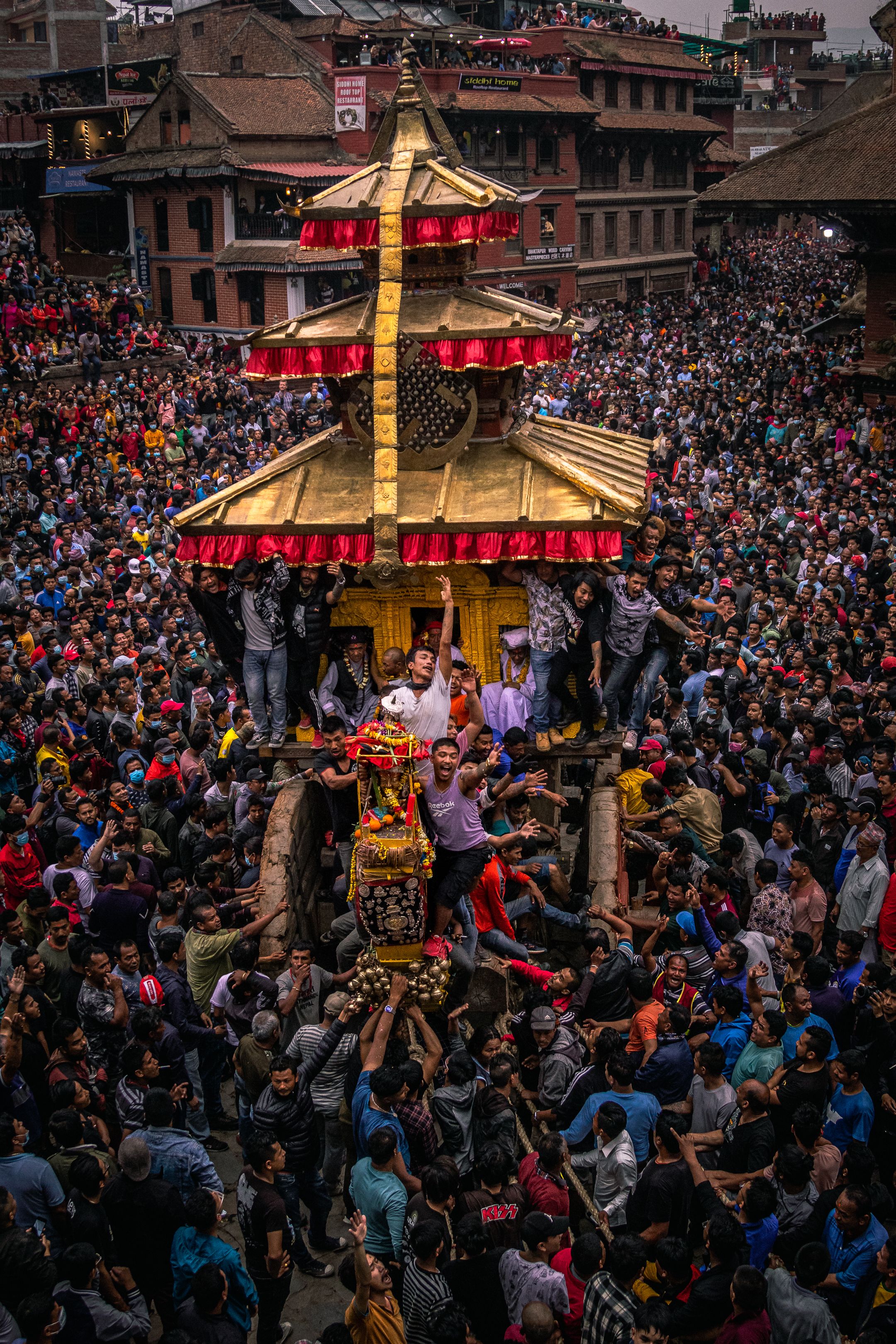 Bisket Jatra VIbes
- ВЭ / Военные колесницы - , Q7737, 2012
- MKL1888:Sichelwagen - , Q188, 1960
- ЕЭБЕ / Колесница - , Q7737, 2017
- 1911 Encyclopædia Britannica/Chariot - , Q1860
- Neptune in his Chariot Mosaic - , Q7737
- The genesis and performance characteristics of Roman chariots - scientific article published in 2012, Q7737
- Bronze Age Chariots from Europe - scholarly article by Emmanuel Anati published in December 1960, Q7737
- МЭСБЕ / Военные колесницы - , Q7737
- ЭСБЕ / Военные колесницы -
- The Apotheosis of Hercules (sketch for Torre de la Parada) -
- Chariot -
- БСЭ1/Колесницы боевые -
- РСКД / Vehicula -


_MET_DP875904.jpg)
