Neo-Assyrian Empire
From Warlike
The Neo-Assyrian Empire was the fourth and penultimate stage of ancient Assyrian history. Beginning with the accession of Adad-nirari II in 911 BC, the Neo-Assyrian Empire grew to dominate the ancient Near East and parts of the South Caucasus, North Africa and the Eastern Mediterranean throughout much of the 9th to 7th centuries BC, becoming the largest empire in history up to that point. Because of its geopolitical dominance and ideology based in world domination, the Neo-Assyrian Empire has been described as the first world empire in history. It influenced other empires of the ancient world culturally, administratively, and militarily, including the Neo-Babylonians, the Achaemenids, and the Seleucids. At its height, the empire was the strongest military power in the world and ruled over all of Mesopotamia, the Levant and Egypt, as well as parts of Anatolia, Arabia and modern-day Iran and Armenia.

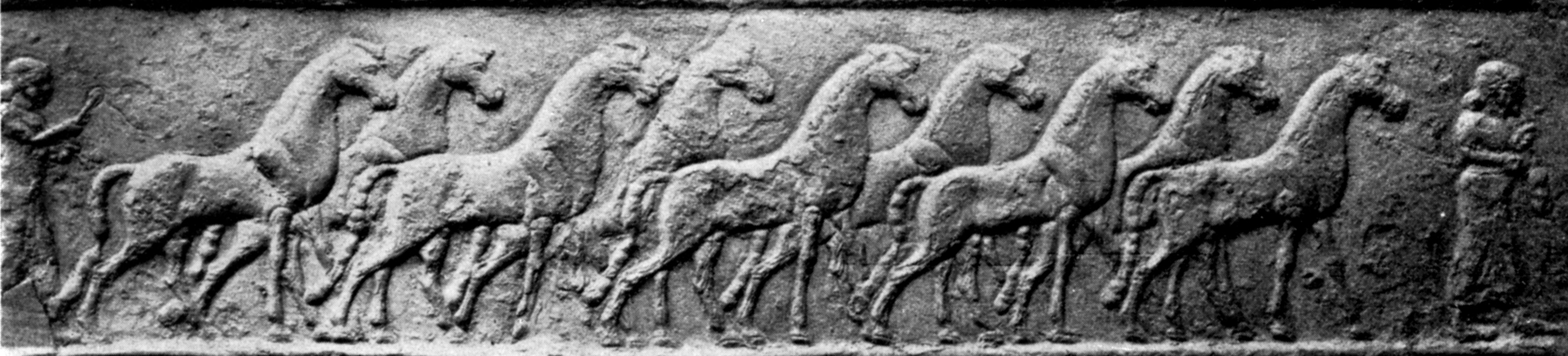 Assyrian Urarartian battle captured horses
 I BRAHIM ADAM
 Amuleto de Lamashtu, British Museum
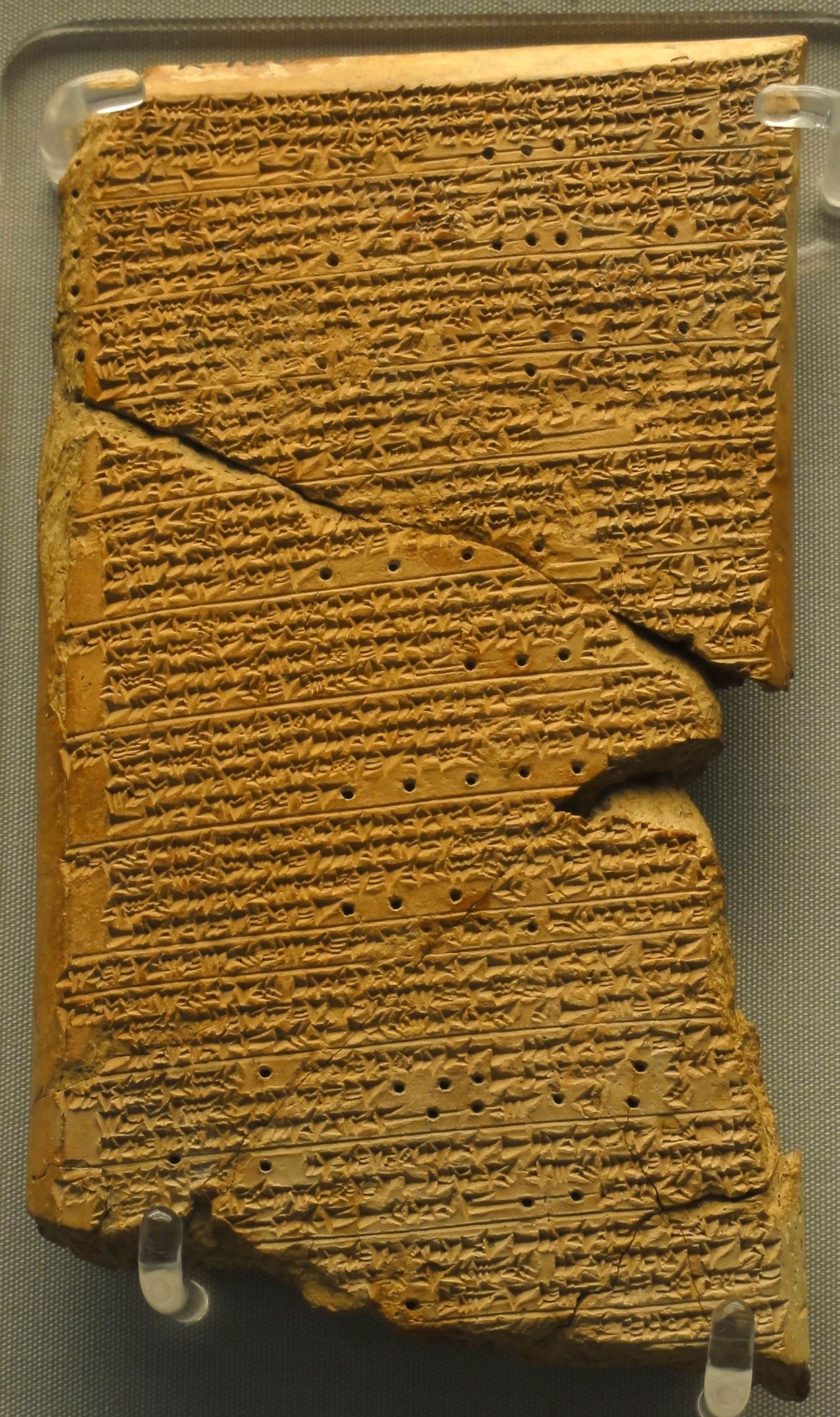 Venus Tablet of Ammisaduqa
 Neo-Assyrian angular horizontal harp, 645BC-640BC. Original artwork in British Museum:
 Cuneiform Tablet from an Assyrian Trading Post LACMA M.84.31.6 (1 of 2)
 1מעגל הסחר האשורי
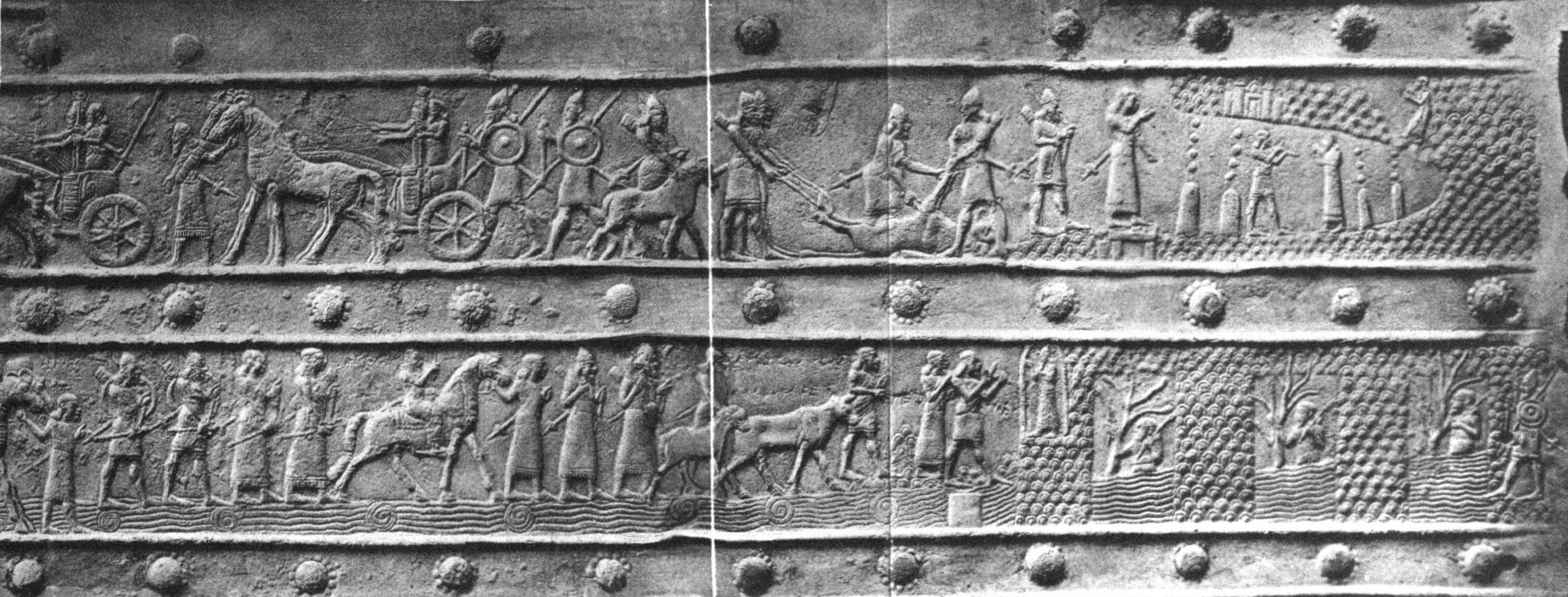 Balawat-Salmanassar
 Dictionnaire de la Bible - F. Vigouroux - Tome II 92 ecuyer carquois
 Dictionnaire de la Bible - F. Vigouroux - Tome II 93 archer Suse
| Type | Subtype | Date | Description | Notes | Source |
|---|---|---|---|---|---|
| event | armed conflict | 615 | Battle of Gablini | Babylonia, Neo-Assyrian Empire, battle | Wikidata |
| event | armed conflict | 651 | Battle of Hiritum | battle, Babylonia, Neo-Assyrian Empire | Wikidata |
| event | armed conflict | 692 | Battle of Diyala River | Babylonia, Elam, battle, Ellipi, Neo-Assyrian Empire | Wikidata |
| event | armed conflict | 700 | Cimmerian invasion of Phrygia | Phrygia, Urartu, Cimmerians, Neo-Assyrian Empire, invasion | Wikidata |
| event | armed conflict | 700 | Siege of Azekah | Kingdom of Judah, siege, Neo-Assyrian Empire | Wikidata |
| event | armed conflict | 702 | Battle of Kish | Arabs, Babylonia, Elam, battle, Arameans, Chaldea, Neo-Assyrian Empire | Wikidata |
| event | armed conflict | 709 | Conquest of Dur-Abi-hara | Babylonia, battle, Gambulu, Neo-Assyrian Empire | Wikidata |
| event | armed conflict | 719 | Battle of Der | Babylonia, Elam, Neo-Assyrian Empire, battle | Wikidata |
| event | war | 742 | Urartu–Assyria War of 743–735 BCE | war, Urartu, Neo-Assyrian Empire | Wikidata |
| commons | image | Assyrian Urarartian battle captured horses | Commons | ||
| commons | image | I BRAHIM ADAM | Commons | ||
| commons | image | Amuleto de Lamashtu, British Museum | Commons | ||
| commons | image | Venus Tablet of Ammisaduqa | Commons | ||
| commons | image | Neo-Assyrian angular horizontal harp, 645BC-640BC. Original artwork in British Museum: | Commons | ||
| commons | image | Cuneiform Tablet from an Assyrian Trading Post LACMA M.84.31.6 (1 of 2) | Commons | ||
| commons | image | 1מעגל הסחר האשורי | Commons | ||
| commons | image | Balawat-Salmanassar | Commons | ||
| commons | image | Dictionnaire de la Bible - F. Vigouroux - Tome II 92 ecuyer carquois | Commons | ||
| commons | image | Dictionnaire de la Bible - F. Vigouroux - Tome II 93 archer Suse | Commons | ||


.jpg)


