Byzantine army
From Warlike
Q1018780
The Byzantine army was the primary military body of the Byzantine armed forces, serving alongside the Byzantine navy. A direct continuation of the Eastern Roman army, shaping and developing itself on the legacy of the late Hellenistic armies, it maintained a similar level of discipline, strategic prowess and organization. It was among the most effective armies of western Eurasia for much of the Middle Ages. Over time the cavalry arm became more prominent in the Byzantine army as the legion system disappeared in the early 7th century. Later reforms reflected some Germanic and Asian influences—rival forces frequently became sources of mercenary units, such as the Huns, Cumans, Alans and Turks, meeting the Empire's demand for light cavalry mercenaries. Since much of the Byzantine military focused on the strategy and skill of generals utilizing militia troops, heavy infantry were recruited from Frankish and later Varangian mercenaries.
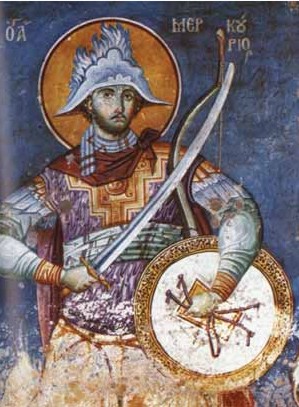 St mercury
 Byzantine Greek Alexander Manuscript Cataphract (cropped)
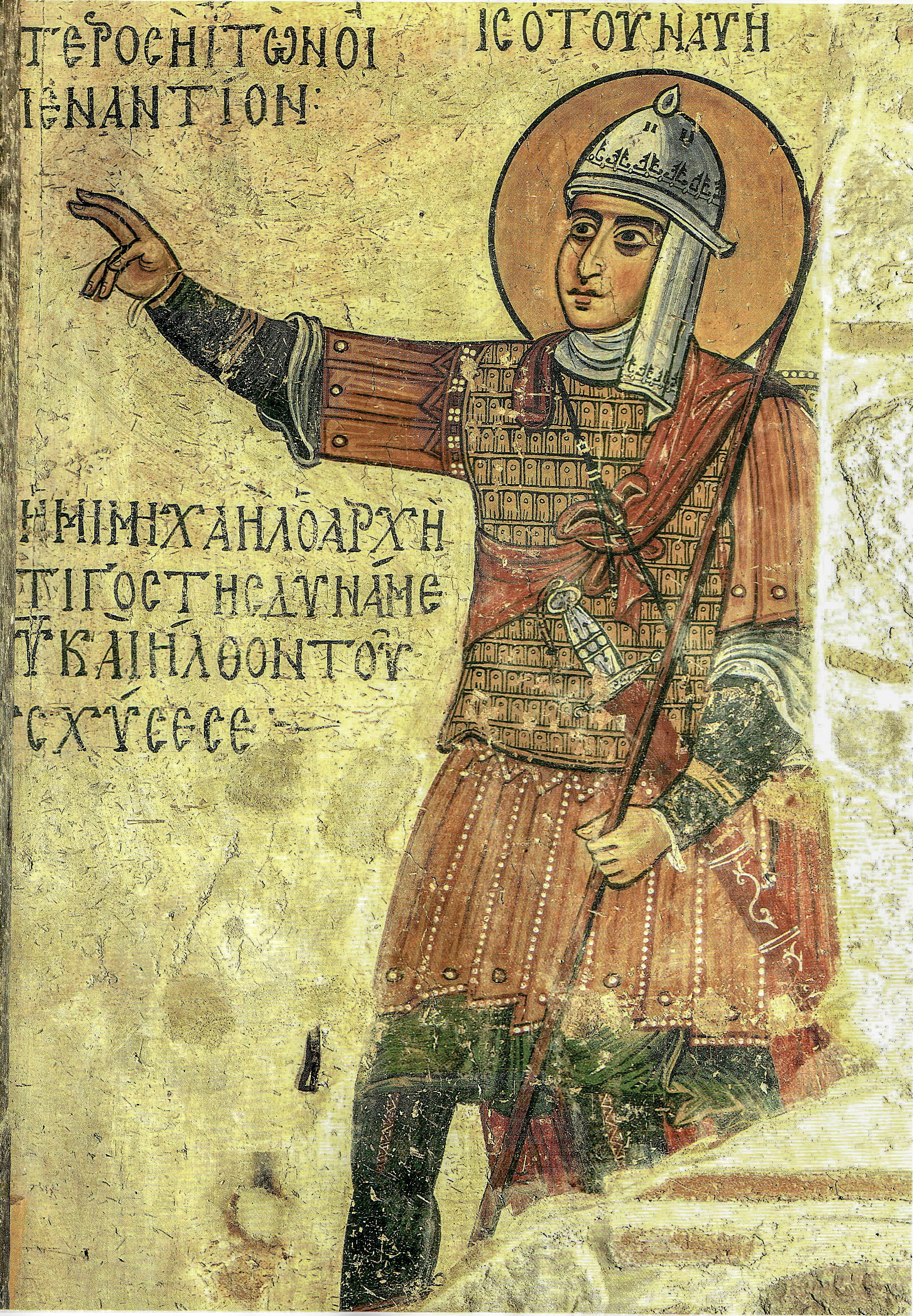 Byzantine fresca from St-Lucas
 Byzantine Greek Alexander Manuscript 171
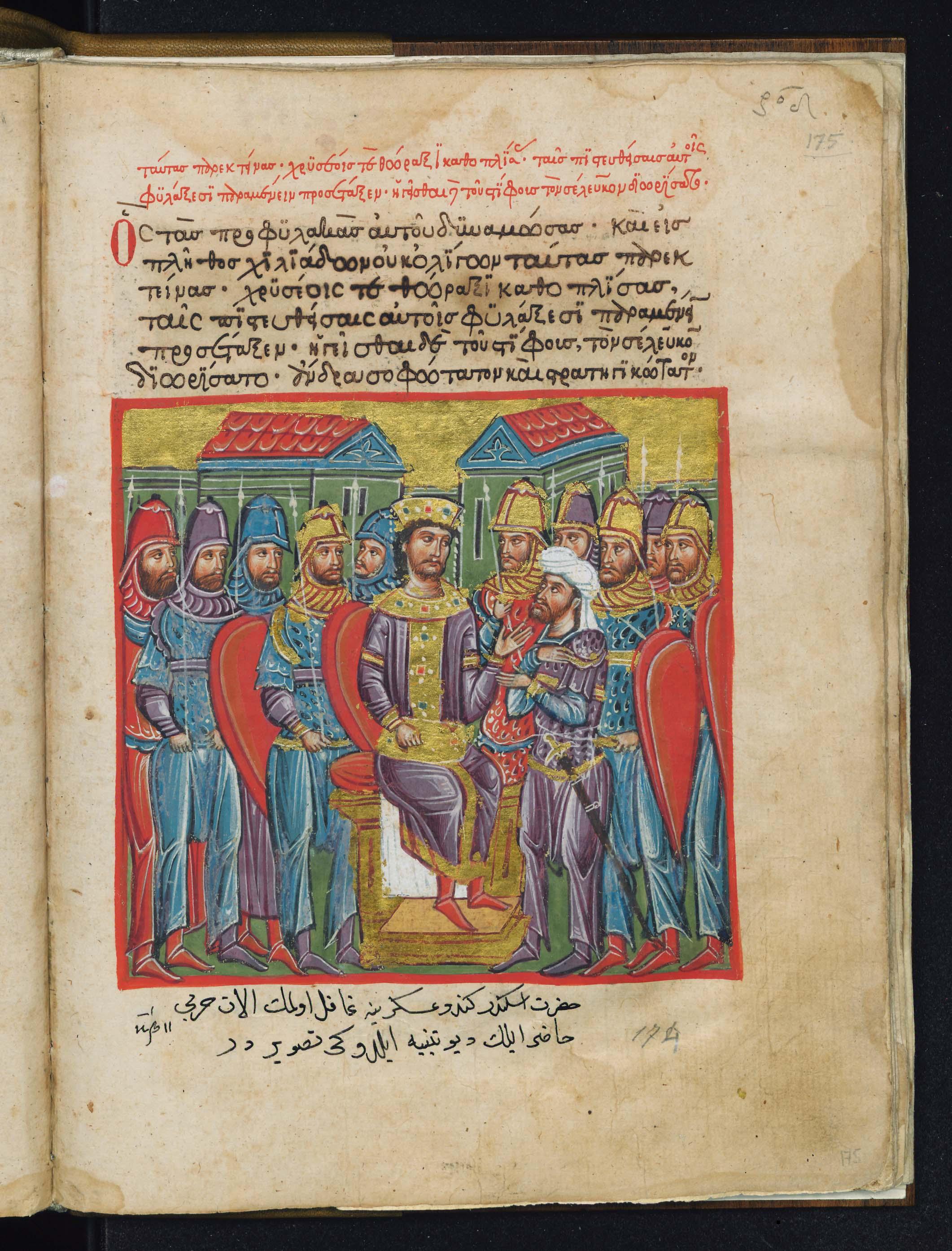 Byzantine Greek Alexander Manuscript Bracca
 Byzantine Greek Soldiers Alexander Manuscript Thessaly
 Byzantine Greek Soldiers Alexander Manuscript
 Byzantine Greek Alexander Manuscript Bracca (cropped)
 Byzantine Greek Alexander Manuscript 166
 Saint Mercurius and Artemius of Antioch
| Type | Subtype | Date | Description | Notes | Source |
|---|---|---|---|---|---|
| commons | image | St mercury | Commons | ||
| commons | image | Byzantine Greek Alexander Manuscript Cataphract (cropped) | Commons | ||
| commons | image | Byzantine fresca from St-Lucas | Commons | ||
| commons | image | Byzantine Greek Alexander Manuscript 171 | Commons | ||
| commons | image | Byzantine Greek Alexander Manuscript Bracca | Commons | ||
| commons | image | Byzantine Greek Soldiers Alexander Manuscript Thessaly | Commons | ||
| commons | image | Byzantine Greek Soldiers Alexander Manuscript | Commons | ||
| commons | image | Byzantine Greek Alexander Manuscript Bracca (cropped) | Commons | ||
| commons | image | Byzantine Greek Alexander Manuscript 166 | Commons | ||
| commons | image | Saint Mercurius and Artemius of Antioch | Commons | ||

.JPG)


.JPG)

